What Are the Best Practices for Asbestos Mitigation?

September 23, 2026

Dealing with hazardous materials in older structures requires a careful and methodical approach to protect everyone involved. When property owners discover hidden dangers within their walls, floors, or ceilings, they must act swiftly and responsibly. The process of addressing these hazards is complex and demands strict adherence to safety protocols. Property owners, facility managers, and homeowners alike need to understand that proper asbestos mitigation is not a simple DIY project but a highly regulated procedure. Protecting the health of occupants and workers is the ultimate goal, and achieving this requires a deep understanding of the recommended procedures. A poorly executed attempt can release microscopic fibers into the air, creating a long-term respiratory hazard for anyone who breathes that air. Therefore, learning the correct steps and standards for safe extraction and disposal is essential for any renovation or demolition project. By following the highest industry standards, property owners can ensure a safe environment while avoiding severe legal and health repercussions.


Understanding the True Nature of the Hazard

Before beginning any major renovation, it is vital to comprehend why certain building materials pose such a severe threat to human health. Microscopic fibers, when disturbed, can become airborne and easily inhaled by anyone in the vicinity. Once inhaled, these fibers embed themselves deep within lung tissue, leading to severe chronic respiratory issues and diseases over time. The primary goal of effective asbestos mitigation is to prevent these fibers from ever becoming airborne in the first place. This requires a thorough understanding of where these hazardous materials are typically found within structures, such as in insulation, floor tiles, roofing materials, and textured ceilings. Property owners must recognize that undisturbed materials often pose minimal risk, but the danger arises the moment these materials are cut, sanded, broken, or otherwise disturbed during construction work. Therefore, acknowledging the severe health risks is the foundational step in approaching the abatement process with the necessary caution and respect. Education on the risks ensures that no shortcuts are taken during the project. It is crucial to remember that these hazardous materials were used extensively in the past because they were excellent insulators and highly resistant to fire. While those properties were incredibly useful for construction, the resulting health crisis proved that the trade-off was absolutely disastrous. Recognizing this dark history helps property owners appreciate why regulations are so incredibly strict today.


Conducting a Thorough Initial Assessment

The first practical step in any safety-focused abatement plan is bringing in trained experts to evaluate the property. A visual inspection is never sufficient, as hazardous fibers are invisible to the naked eye and mixed into common building supplies. Certified inspectors must carefully take physical samples of suspected materials and send them to specialized laboratories for precise analysis. This testing phase dictates the entire scope of the project, determining whether the materials need to be removed completely or if they can be safely encapsulated in place. If the laboratory results confirm the presence of hazardous fibers, a comprehensive asbestos mitigation plan must be drafted. This plan will outline the specific methods for containment, the required protective gear, and the exact procedures for removal and disposal. Proceeding without a professional assessment is extremely dangerous and often illegal. A properly documented plan not only protects health but also ensures that the property owner remains compliant with all local and federal environmental regulations. Trying to cut costs by skipping this professional assessment phase almost always leads to catastrophic results, both legally and medically. Certified inspectors act as an objective third party, providing you with a clear, unbiased picture of the hazards present in your building. This transparency is vital for planning a successful and safe project timeline.


Establishing Secure Containment Zones

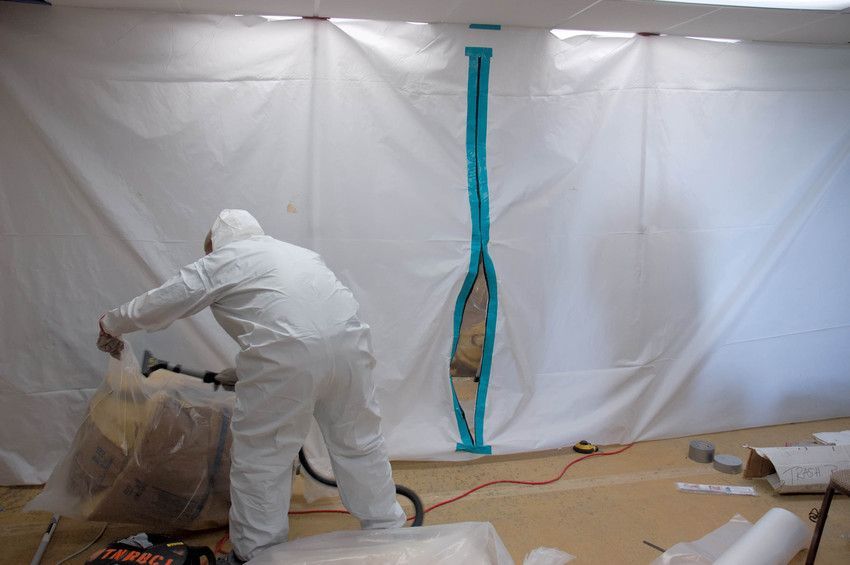
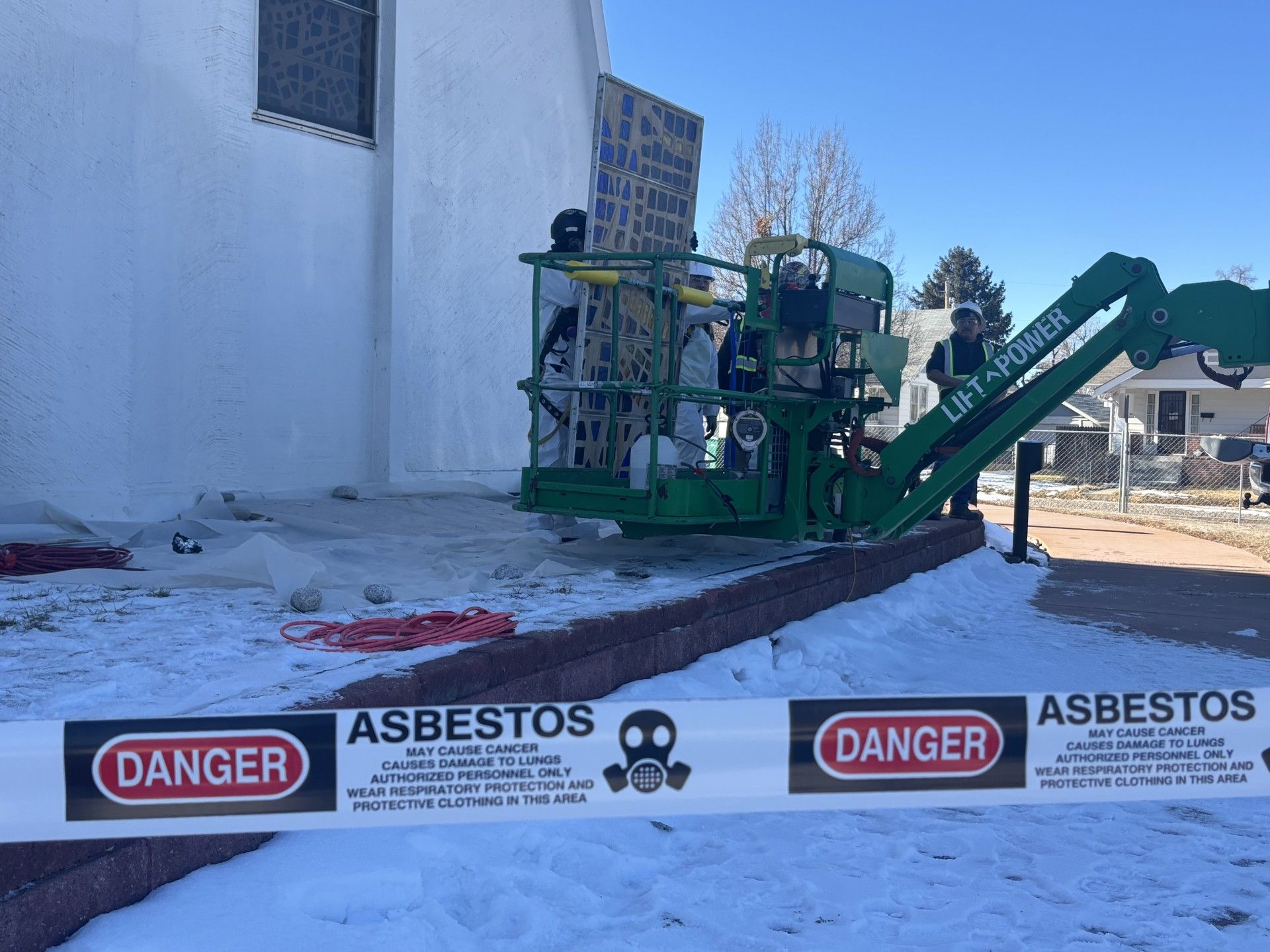
Once a plan is in place, the work area must be completely isolated from the rest of the building to prevent the spread of harmful dust. Professionals create secure containment zones by sealing off doors, windows, and ventilation ducts with thick plastic sheeting and heavy-duty tape. This physical barrier is critical, but it is also supported by specialized ventilation systems. Negative air pressure machines equipped with high-efficiency particulate air filters are used to ensure that air only flows into the containment zone, not out of it. This means that if any fibers become airborne during the asbestos mitigation process, they are immediately pulled into the filtration system rather than escaping into adjacent rooms. Furthermore, decontamination enclosures are set up at the entrance of the work area, providing a safe space for workers to put on and remove their protective gear. These strict isolation techniques are non-negotiable best practices that guarantee the safety of the surrounding environment and its inhabitants.


Utilizing Proper Protective Equipment

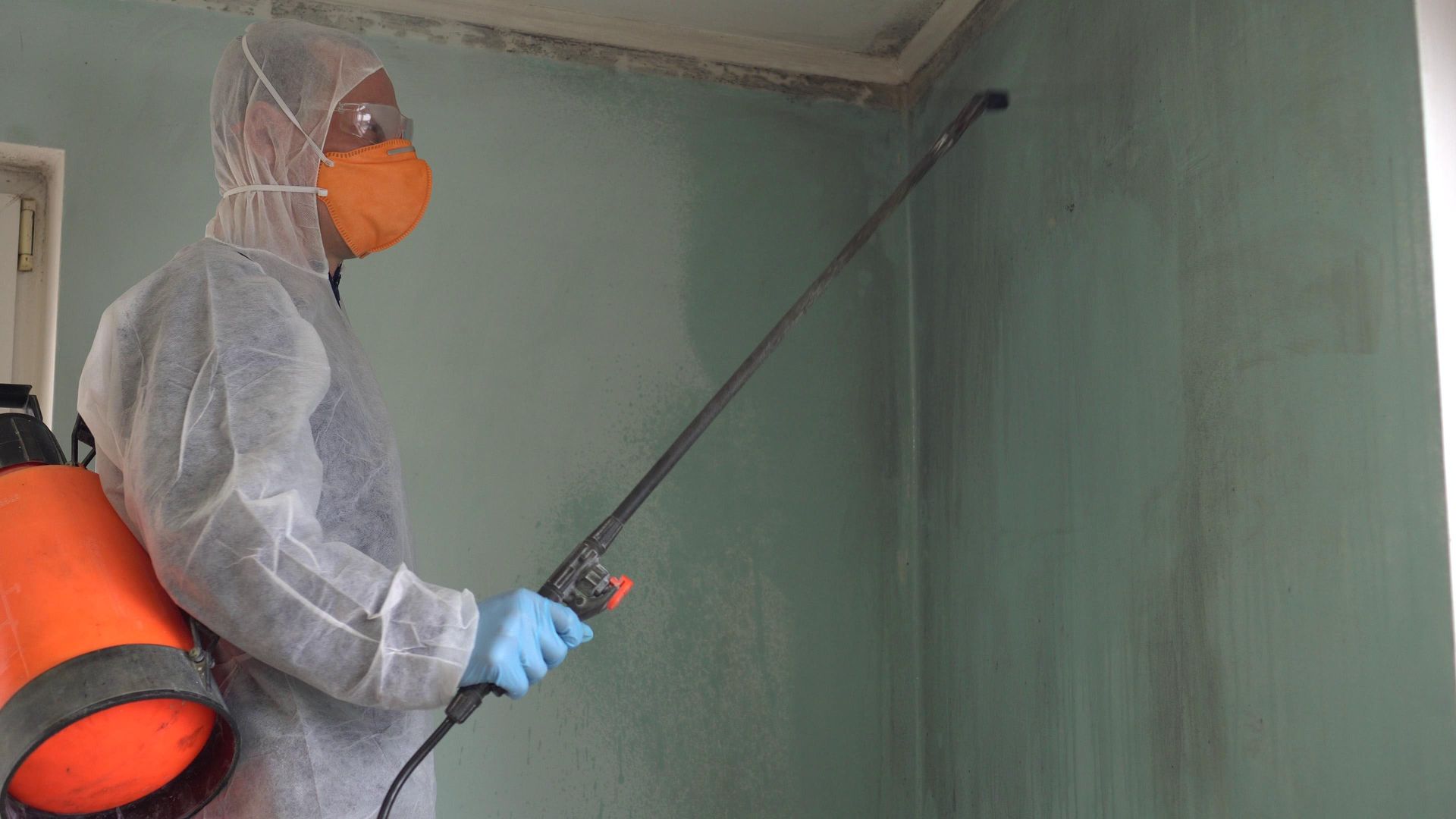
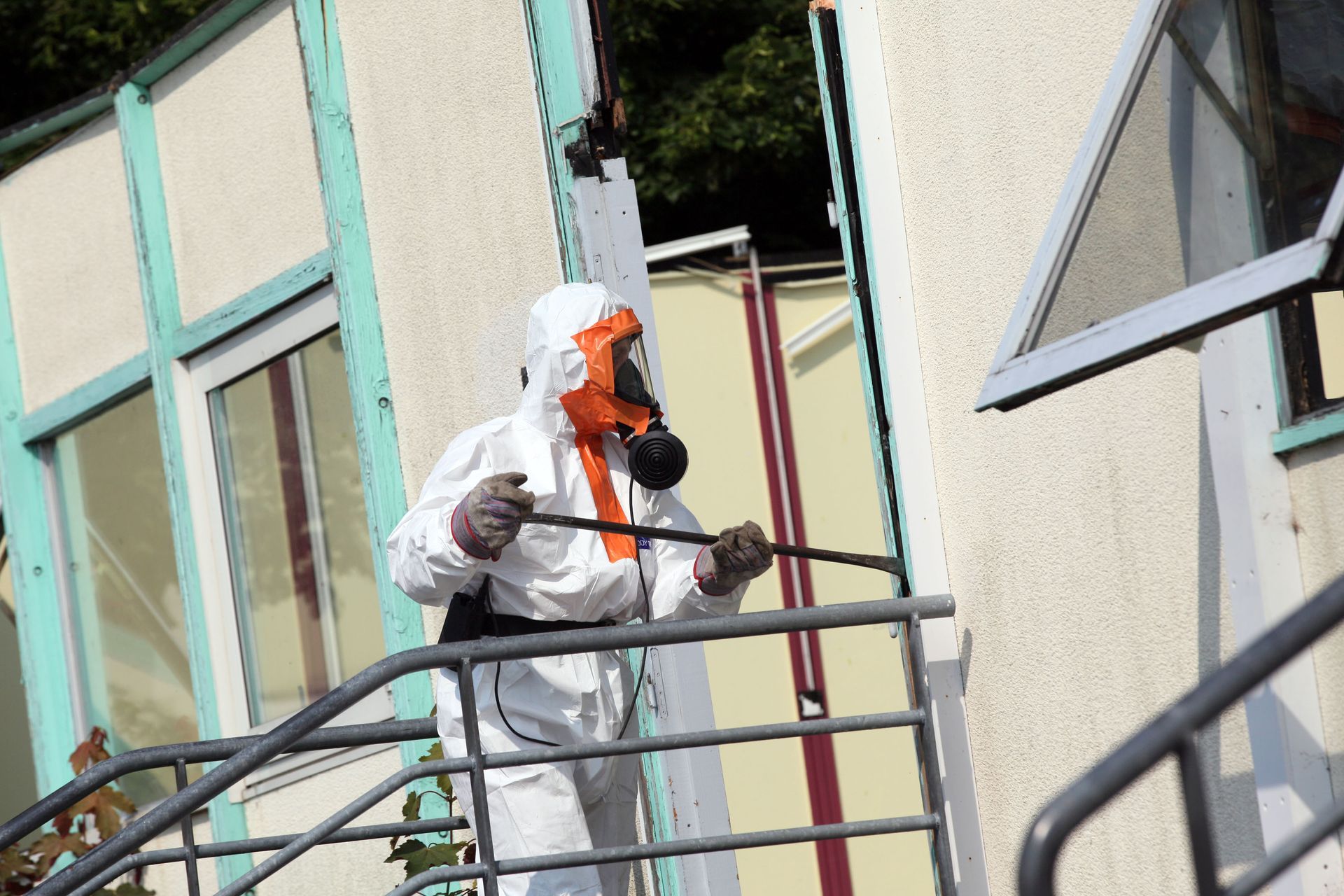
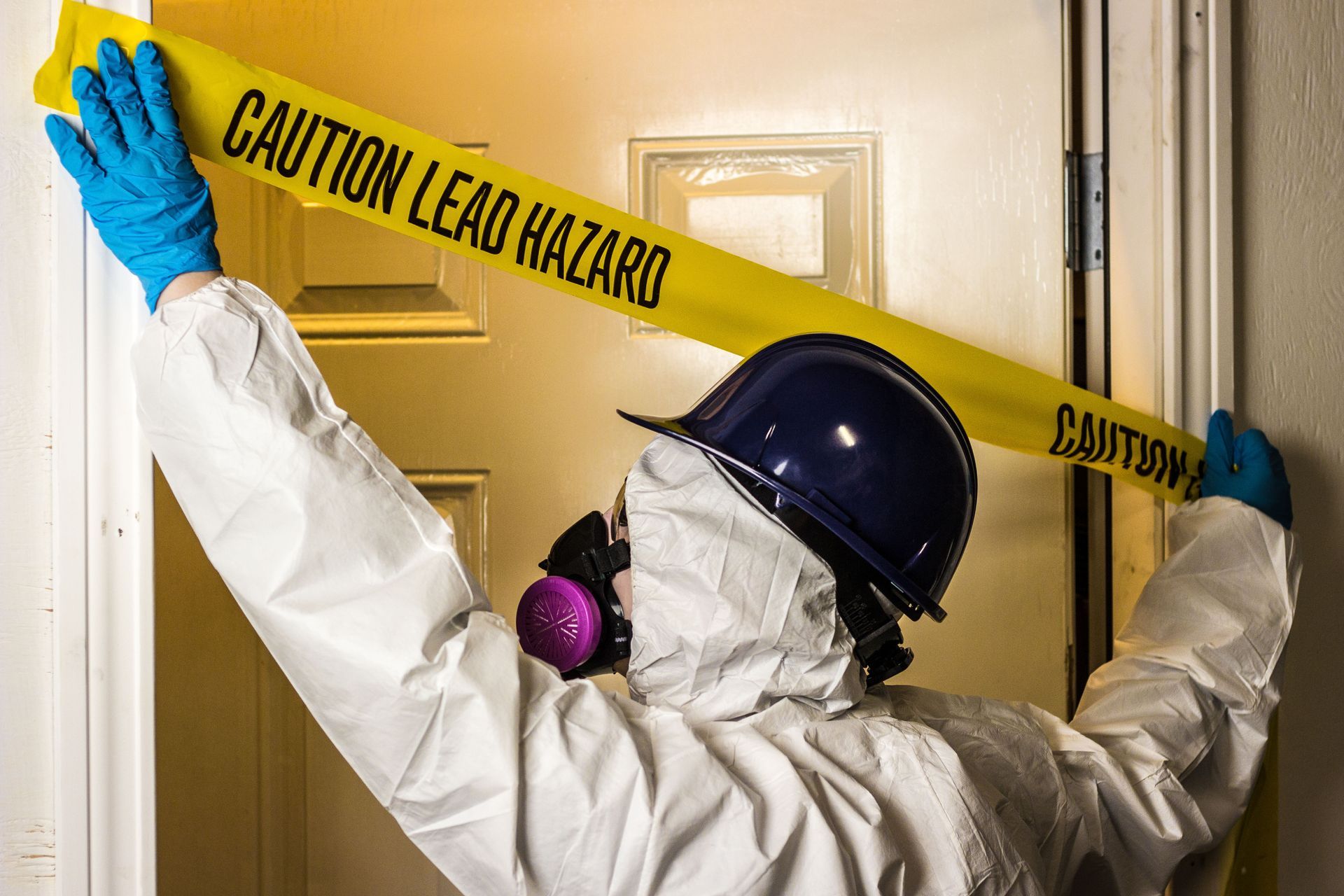
The individuals performing the actual abatement work must be protected by the highest standard of personal protective equipment. Standard dust masks offer absolutely no protection against microscopic hazardous fibers. Workers must wear specialized respirators fitted with appropriate filters to ensure they are breathing clean air while inside the containment zone. In addition to respiratory protection, full-body disposable coveralls, including hoods and booties, are required to prevent fibers from settling on clothing or skin. All seams and openings on the protective suits are typically sealed with tape to create a completely impenetrable barrier. This level of protection is a core requirement of proper asbestos mitigation and cannot be compromised under any circumstances. When workers leave the containment area, they must go through a rigorous decontamination process, which includes wet-wiping protective suits and safely disposing of them before removing their respirators. Providing and enforcing the use of this specialized equipment is a fundamental responsibility of any certified abatement team.


Ensuring Safe Removal and Disposal

The actual extraction process requires delicate handling to minimize the release of dangerous particles. Workers use wet methods, constantly spraying the materials with amended water to keep dust levels down while they carefully detach the hazardous components. The removed debris must never be dropped or thrown; instead, it is gently placed into heavy-duty, leak-tight plastic bags. These bags are then securely sealed, washed down to remove any exterior dust, and placed into a second bag for transport. Disposal is a highly regulated phase of asbestos mitigation, requiring the waste to be transported to designated landfills that are legally permitted to accept such hazardous materials. The timeline for these projects can vary greatly based on the scope of the work and the site conditions. According to HomeGuide, factors like difficult site accessibility, asbestos removal, and large concrete foundations extend house demolition time, with deconstruction and salvage adding an extra one to three weeks. Careful adherence to these removal and disposal protocols ensures that the hazard is permanently eliminated without threatening public health.


Addressing hazardous building materials is a serious responsibility that requires extensive knowledge, strict adherence to safety protocols, and a commitment to protecting human health. Attempting to bypass professional assessment, containment, or disposal regulations places occupants, workers, and the wider community at immense risk. By prioritizing proper testing, establishing secure containment zones, utilizing specialized protective gear, and following rigorous disposal methods, property owners can ensure a completely safe and compliant abatement process. Do not wait until a renovation exposes you to danger; proactive management is the best defense against airborne fibers. Ultimately, peace of mind comes from knowing that a dangerous environmental hazard has been handled by qualified professionals who leave no room for error. When you are ready to ensure your property is safe and free of hidden hazards, rely on true professionals who understand the complexities of proper asbestos mitigation. Call Rockies Environmental & Demolition Services Inc. today to learn more about how to protect your property and ensure a safe, compliant environment for everyone.

 black mold removal company
September 12, 2026
Hire a black mold removal company to locate hidden growth and moisture sources. Read our blog post to protect structural materials and clean your home.
asbestos removal
September 1, 2026
Protect your home and family from toxic hazards. Learn the top signs of contamination and why professional asbestos removal is vital for your health.
asbestos removal
August 1, 2026
Protect your family from unseen dangers under floors and walls. Hire certified experts for safe asbestos removal to gain peace of mind and secure your home.
mold removal companies
July 27, 2026
Protect your home and health with trusted mold removal companies. Learn how professional remediation prevents damage and supports safer living.
mold removal company
January 29, 2026
Mold spreads fast and threatens health, air quality, and structure. Learn why hiring a professional mold removal company early prevents costly damage.
By 7100065544 • December 15, 2025
When planning a renovation, redevelopment, or construction project in Denver, demolition is one of the most important steps to get right. Whether you need partial demolition for a remodel or full demolition to clear a site for new construction, choosing the right approach—and the right Rockies Environmental & Demolition Services team—can save you time, money, and unnecessary risk. Understanding the difference between partial and full demolition will help ensure your project starts safely, efficiently, and on budget. What Is Partial Demolition? Partial demolition involves the selective removal of specific portions of a structure while preserving the rest of the building. This service is commonly used for home renovations, commercial remodels, and structural upgrades throughout the Denver metro area. Common Partial Demolition Services in Denver: - Interior demolition for remodels - Removal of walls, ceilings, or floors - Selective demolition for home additions - Commercial tenant improvements - Structural modifications Partial demolition requires expert planning and precision. In older Denver homes and commercial buildings, structural integrity, utilities, and building codes must be carefully managed to avoid costly damage. This is where Rockies Environmental & Demolition Services delivers unmatched experience and attention to detail. Benefits of Partial Demolition: - Lower cost compared to full demolition - Faster project timelines - Preserves existing structures - Ideal for renovations and upgrades - Reduced waste and improved sustainability If you’re upgrading a residential or commercial space, partial demolition in Denver by Rockies Environmental & Demolition Services is often the smartest solution. What Is Full Demolition? Full demolition involves the complete removal of a structure, leaving a clean site ready for new construction. This service is ideal for residential tear-downs, commercial redevelopments, and unsafe or outdated buildings throughout Denver and surrounding communities. When Full Demolition Is the Right Choice: - Structures are unsafe or beyond repair - Preparing land for new residential or commercial builds - Outdated buildings that don’t meet Denver codes - Fire-damaged or structurally compromised properties Rockies Environmental & Demolition Services manages the entire demolition process—from permits and utility disconnects to debris removal and final site cleanup—so your project moves forward without delays. Benefits of Full Demolition: - Clean slate for redevelopment - Eliminates hidden structural issues - Improves land value and usability - Ensures compliance with Denver regulations Partial vs Full Demolition: Which Is Right for Your Denver Project? Choosing between partial and full demolition depends on: - The condition of your structure - Your renovation or redevelopment goals - Budget and project timeline - Local zoning and Denver permitting requirements A professional site assessment by Rockies Environmental & Demolition Services ensures you receive the most cost-effective, efficient, and compliant solution for your project. Why Choosing Rockies Environmental & Demolition Services Matters Demolition is not a one-size-fits-all service. Hiring an experienced, local contractor like Rockies Environmental & Demolition Services ensures your project is handled safely, professionally, and with full regulatory compliance. 1. Denver Permit & Code Expertise Demolition projects in Denver require strict adherence to local regulations. Rockies Environmental & Demolition Services understands Denver permitting, inspections, and environmental requirements—preventing delays and fines. 2. Safety-First Demolition Demolition carries serious risks. Rockies Environmental & Demolition Services follows OSHA standards, conducts detailed site safety planning, and properly manages hazards such as asbestos, utilities, and structural instability. 3. Precision Structural Knowledge Partial demolition demands experience and precision. Rockies Environmental & Demolition Services protects load-bearing components and ensures remaining structures stay secure and code-compliant. 4. Efficient Scheduling & Coordination 5. Transparent Pricing & Cost Control Unexpected demolition costs can derail a project. Rockies Environmental & Demolition Services provides clear scopes of work, accurate estimates, and dependable execution. Rockies Environmental & Demolition Services Your Trusted Demolition Services in Denver Whether you need interior demolition, partial demolition, or full building demolition in Denver, Rockies Environmental & Demolition Services delivers professional results that set your project up for success. From small residential remodels to large-scale commercial demolition, Rockies Environmental & Demolition Services is the trusted partner Denver property owners rely on. Start Your Denver Demolition Project With Confidence If you’re planning a renovation or redevelopment, contact Rockies Environmental & Demolition Services today to schedule a site evaluation and receive a competitive demolition quote. When precision, safety, and experience matter, choose the team that builds strong foundations—starting with expert demolition.
asbestos removal
November 12, 2025
Are you wondering how you can benefit from professional asbestos removal? Take a look at this blog to find out and learn more.
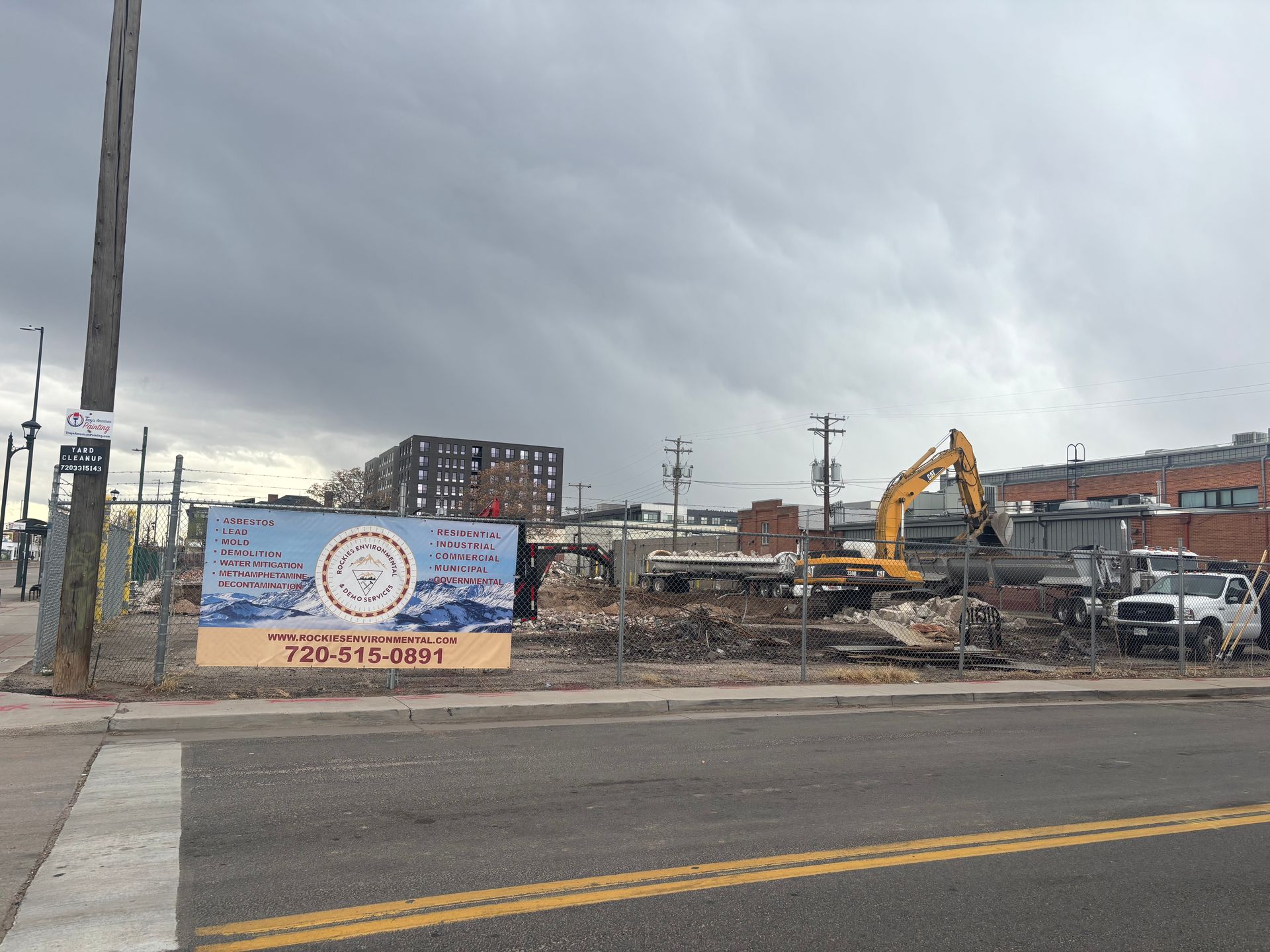
A construction site with a billboard on the side of the road
By 7100065544 • May 19, 2025
Asbestos is a word no property manager, business owner, or commercial developer wants to hear—but understanding and addressing it is critical for safety, regulatory compliance, and long-term asset value. At Rockies Environmental, we specialize in asbestos abatement for commercial buildings across the Rocky Mountain region, helping businesses move forward with confidence. What Is Asbestos—and Why Is It a Problem? Asbestos is a naturally occurring mineral once praised for its fire resistance, durability, and insulation properties. Unfortunately, we now know that when asbestos-containing materials (ACMs) are disturbed—through renovation, demolition, or deterioration—they can release microscopic fibers into the air. Inhalation of these fibers has been linked to serious health conditions, including: Mesothelioma Asbestosis Lung cancer Commercial buildings constructed before the 1980s are especially likely to contain asbestos in materials like: Ceiling and floor tiles Insulation and pipe wrap Roofing and siding Fireproofing and spray-applied coatings Why Asbestos Abatement Matters in Commercial Settings Commercial buildings have unique challenges when it comes to asbestos abatement: High occupancy: More people means a greater risk of exposure if asbestos isn’t managed correctly. Business continuity: Work needs to continue with minimal downtime, requiring careful planning and containment. Compliance: Regulations from OSHA, the EPA, and local authorities are strict—and noncompliance can result in serious fines and legal issues. Future renovations: Asbestos must be addressed before any remodeling, upgrading, or demolition work. Our Approach to Safe, Compliant Abatement At Rockies Environmental, we bring decades of experience and a deep understanding of regional and federal asbestos regulations. Our commercial asbestos abatement process includes: Inspection & Testing Certified inspectors assess the presence and condition of ACMs using advanced sampling techniques. Customized Abatement Plan Every building is different. We tailor our abatement strategies to the structure, occupancy needs, and project timeline. Safe Removal & Containment Our team uses negative air systems, HEPA filtration, and full containment procedures to ensure no fibers escape during removal. Disposal & Final Clearance All asbestos waste is disposed of in accordance with EPA and state laws, and a third-party clearance test confirms your building is safe to reoccupy. Industries We Serve We work with a wide range of commercial clients, including: Office buildings Hospitals and medical centers Schools and universities Industrial and warehouse facilities Government buildings Hotels and hospitality spaces Whether you're planning a renovation, managing an emergency asbestos discovery, or simply seeking peace of mind, we’re here to help. Why Choose Rockies Environmental? ✅ Licensed & Certified – Our team holds all required state and federal certifications for asbestos inspection and abatement. ✅ Experience You Can Trust – With years of experience in the Rocky Mountain region, we understand the specific needs and regulatory landscape of Colorado, Utah, Wyoming, and beyond. ✅ Minimal Disruption – We work with your schedule to minimize downtime and maximize safety. ✅ Transparent Communication – From initial quote to project completion, we keep you informed every step of the way. Let’s Talk Safety and Strategy If you suspect your commercial building contains asbestos, don't wait. Contact Rockies Environmental today for a consultation. Our team is ready to assess your situation, offer expert guidance, and deliver safe, cost-effective abatement solutions that keep your people and property protected. 📞 720-230-1045 🌐 www.rockiesenvironemntal.com
A crane is being used to remove asbestos from a building.
April 25, 2025
When it comes to the safety of your property, few things are as important—or as potentially dangerous—as asbestos. At Rockies Environmental, we specialize in professional asbestos abatement services that prioritize your health, safety, and peace of mind. Asbestos was once widely used in building materials for its fire resistance and durability. However, we now know that prolonged exposure to airborne asbestos fibers can cause serious health problems, including mesothelioma, lung cancer, and asbestosis. If your home, business, or industrial property was built before the 1980s, there’s a good chance it may contain asbestos in insulation, flooring, ceiling tiles, pipe wrapping, or roofing materials. Our Commitment to Safe and Efficient Asbestos Removal At Rockies Environmental, we follow strict local, state, and federal regulations to ensure every asbestos abatement project is handled safely and thoroughly. Our certified technicians are equipped with the training, protective equipment, and experience needed to: ✅ Identify and assess asbestos-containing materials (ACMs) ✅ Safely remove and dispose of hazardous materials ✅ Minimize exposure and environmental impact ✅ Provide post-abatement clearance and air quality testing Whether it’s a residential renovation, commercial demolition, or emergency response, our team is ready to help you move forward safely. Why Choose Rockies Environmental? We’re more than just a remediation company—we’re a locally owned, full-service environmental partner. With our in-house equipment, responsive team, and years of hands-on experience, we provide efficient service you can rely on. From small residential jobs to large-scale commercial projects, we treat every site with the same level of professionalism and care. Get Peace of Mind Today If you suspect asbestos in your property, don’t wait. Let the experts at Rockies Environmental handle it the right way. 📞 Contact us today for a free consultation or to learn more about our certified asbestos abatement services.
Local black mold removal companies
January 14, 2025
Local black mold removal companies play an indispensable role in safeguarding homeowners from the dangers associated with mold infestations.