
Common Places Mold Hides in Your Home
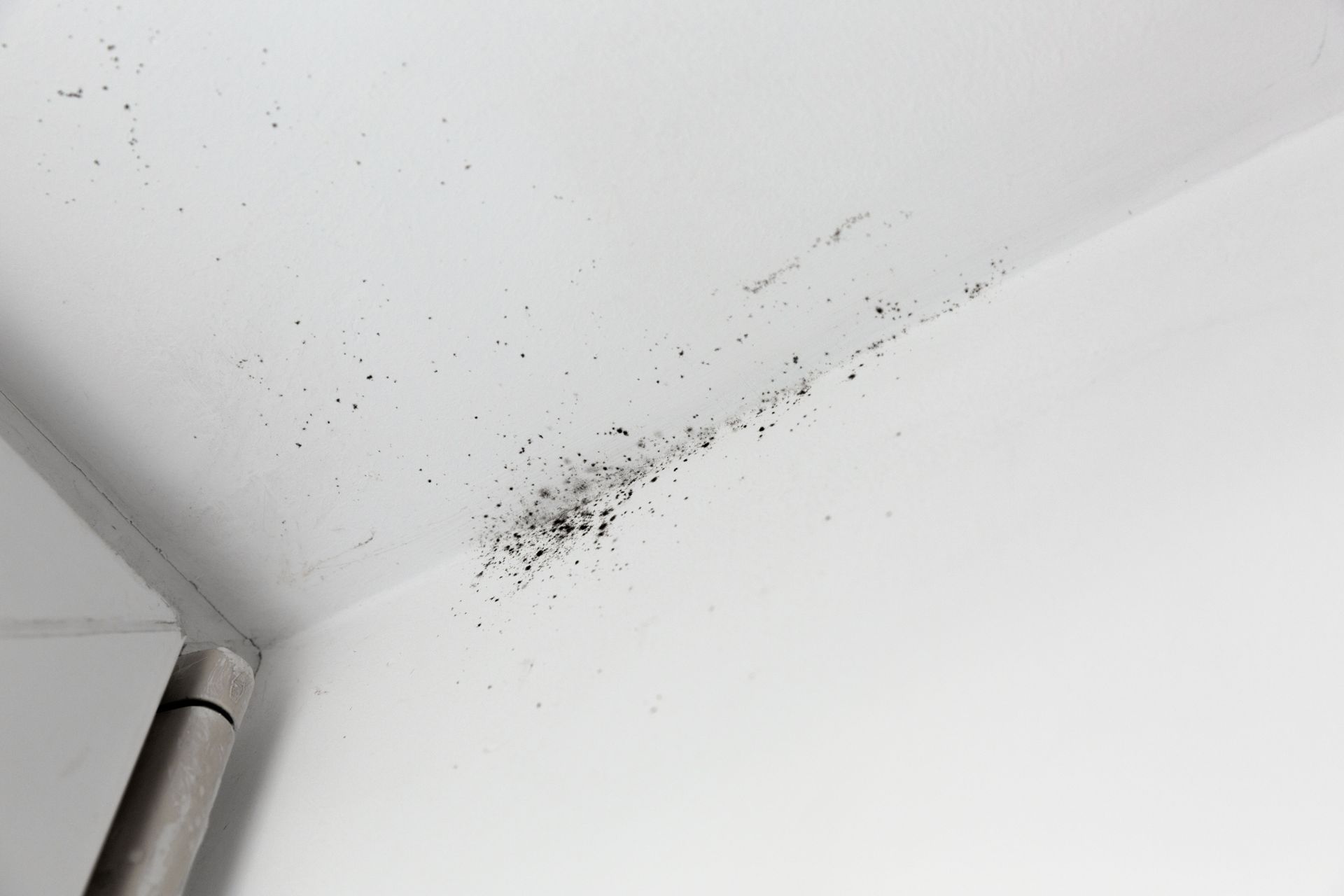
Mold is one of those household problems that often goes unnoticed until it becomes serious. It thrives in damp, dark, and poorly ventilated areas, which means it frequently grows in places homeowners rarely look. By the time you notice a musty smell, stained drywall, or unexplained allergy symptoms, mold may have already spread well beyond what you can see. Mold can damage building materials, affect indoor air quality, and cause health concerns for people with allergies, asthma, or weakened immune systems. Knowing where mold tends to hide is the first step toward catching it early and protecting your home and family. Here are some of the most common places mold can grow and what to watch for in each area.
Bathrooms and Showers
Bathrooms are one of the most common places for mold to develop. Hot showers and baths create steam and humidity, and if the room doesn't have proper ventilation, moisture lingers on walls, ceilings, and fixtures. Mold often appears in grout lines, caulking around tubs and showers, behind toilets, and on ceilings above the shower. It can also grow behind loose tiles or inside walls where small leaks have gone undetected. Shower curtains, bath mats, and towels that stay damp can develop mold as well. Running an exhaust fan during and after showers, keeping surfaces dry, and repairing leaks promptly can help reduce the risk. However, persistent dark spots or a musty odor that won't go away may point to a hidden problem behind the walls or flooring.
Under Kitchen and Bathroom Sinks
The cabinets beneath sinks are prime spots for hidden mold growth. Slow drips from supply lines, loose drain connections, or worn seals can leak water for weeks or months without anyone noticing. Because these spaces are dark and often packed with cleaning supplies and household items, mold can grow unnoticed on the cabinet floor, back panel, and even the wall behind the plumbing. Warped or swollen cabinet bases, water stains, and a damp or musty smell are all warning signs. Checking under sinks regularly and having plumbing leaks repaired quickly can prevent moisture from building up. If mold has already spread into the cabinet or wall, professional remediation may be needed to remove it safely and completely.
Inside the Attic
Attics are easy to forget about, which makes them a common hiding place for mold. Roof leaks, damaged flashing, and poor attic ventilation can allow moisture to build up on rafters, roof sheathing, and insulation. In colder months, warm, humid air rising from the living space can condense on cold attic surfaces, creating the perfect environment for mold. Bathroom and kitchen exhaust fans that vent directly into the attic instead of outside can make the problem worse. Signs of attic mold include dark staining on wood, damp or compressed insulation, and a musty smell when entering the space. Because attic mold can spread across large areas before it's discovered, mold removal companies like ours often find that a thorough inspection reveals more growth than homeowners expected.
Basements and Crawl Spaces
Basements and crawl spaces are naturally prone to moisture because they sit partially or fully below ground. Groundwater, poor drainage, foundation cracks, and high humidity can all lead to damp conditions that encourage mold growth. Mold may appear on concrete walls, wooden support beams, floor joists, stored boxes, and drywall in finished basements. Crawl spaces with exposed soil and limited ventilation are especially vulnerable. A persistent musty odor in the lower level of your home is often one of the first signs of a problem. Dehumidifiers, proper grading, functioning gutters, and vapor barriers can help control moisture. When mold is already present, mold removal companies like ours can identify the source of moisture and remove contaminated materials safely.
Around Windows and Doors
Windows and doors are common entry points for moisture. Condensation often forms on windows during colder weather, especially in rooms with high humidity like kitchens and bedrooms. Over time, that moisture can collect on sills and frames, leading to mold growth. Damaged seals, worn caulking, and poorly installed flashing can also allow rainwater to seep into the walls around window and door frames. Mold may appear as dark spots on sills, peeling paint, or soft, discolored wood. In some cases, it grows inside the wall cavity where it can't be seen at all. Keeping windows clean and dry, improving ventilation, and repairing damaged seals can help prevent moisture from becoming a bigger problem.
HVAC Systems and Ductwork
Your heating and cooling system can also harbor mold, especially in areas where condensation forms. Air conditioning units, drip pans, evaporator coils, and ductwork can collect moisture and dust, creating an ideal environment for mold growth. Once mold develops in the system, spores can be circulated throughout your home every time the system runs. Signs of HVAC-related mold include a musty smell when the system turns on, visible growth around vents, and worsening allergy symptoms indoors. Regular HVAC maintenance, clean filters, and clear condensate lines can help reduce the risk. If mold is suspected inside ductwork or equipment, it should be handled by mold removal companies like ours that can address both the growth and the moisture causing it.
Laundry Rooms and Washing Machines
Laundry rooms deal with a lot of moisture, from washing machines and dryers to damp clothes waiting to be folded. Front-loading washers are especially prone to mold growth around the rubber door gasket and inside the detergent dispenser. Leaking water supply hoses, poorly vented dryers, and lack of airflow can all contribute to mold forming on walls, floors, and behind appliances. Leaving the washer door open between loads, cleaning gaskets regularly, and checking hoses for leaks can help. If you notice a musty odor in your laundry area or see staining on nearby walls or flooring, it's worth having the space inspected for hidden growth. Mold removal companies like ours can check behind appliances and beneath flooring to confirm whether moisture has caused damage you can't see.
Behind Walls and Under Flooring
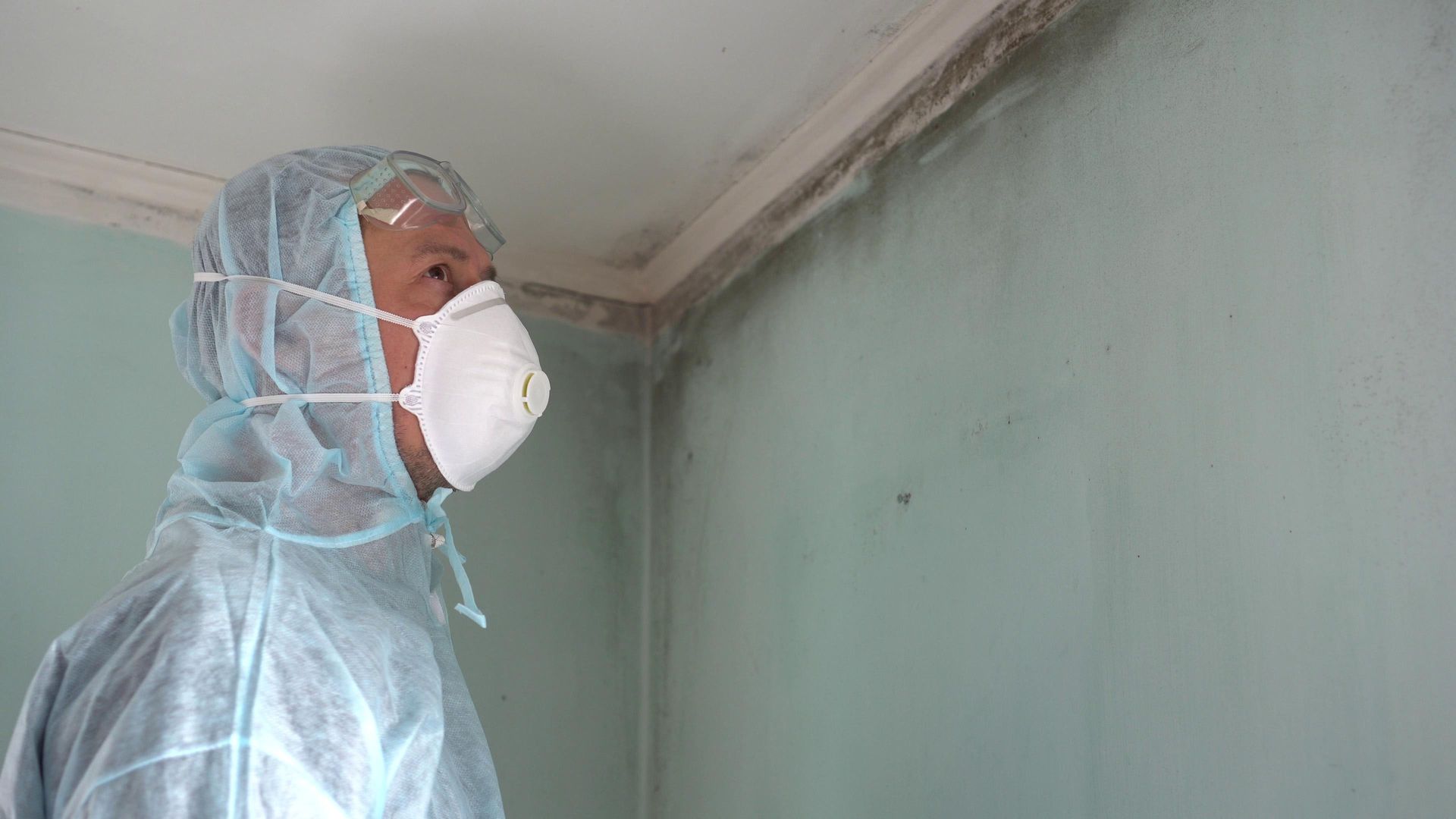
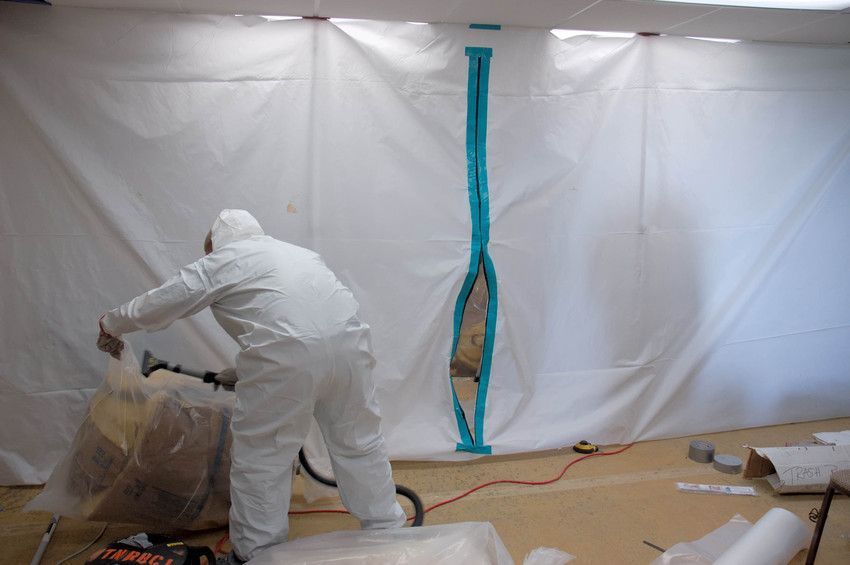
Some of the most serious mold problems develop in places you can't see at all. Leaking pipes inside walls, past flooding, roof leaks, and ice dams can all allow water to soak into drywall, insulation, and subfloors. Mold can then spread quietly for months before showing signs like bubbling paint, warped flooring, soft spots, or persistent odors. Because hidden mold can cover large areas, it often requires opening walls or removing flooring to fully address. The size of the affected area matters when deciding how to handle it. According to Today's Homeowner, the U.S. Environmental Protection Agency recommends bringing in licensed professionals when mold covers more than 10 square feet. Experienced mold removal companies like ours use containment, air filtration, and proper disposal methods to remove contaminated materials without spreading spores to other parts of the home.
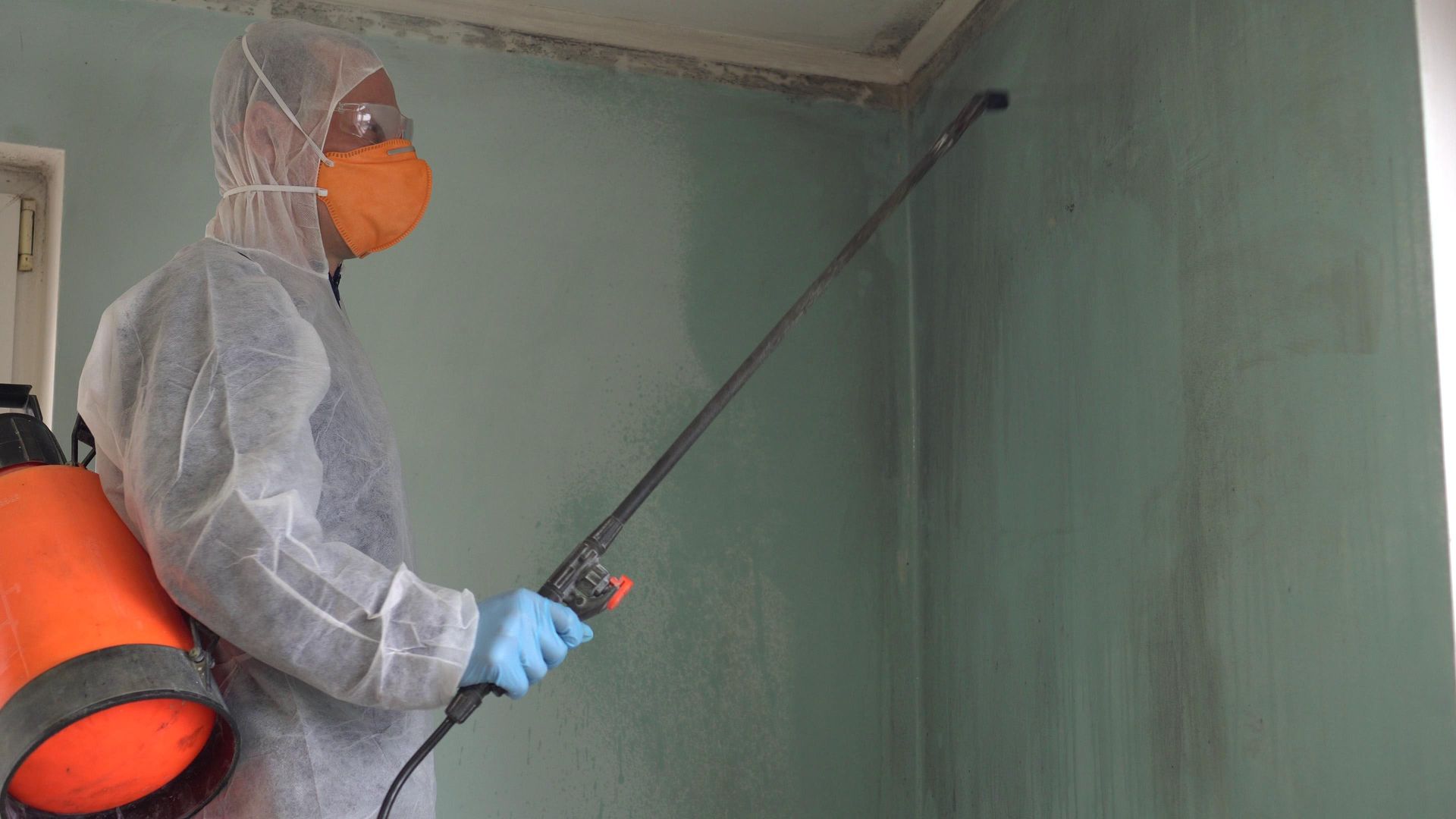
At Rockies Environmental & Demolition Services Inc, we understand how stressful it can be to discover mold in your home, especially when it's hidden in places you can't easily reach. As one of the mold removal companies homeowners trust, we provide thorough inspections, safe containment, and complete remediation to remove mold at its source. Our experienced team also handles the demolition and removal of damaged materials, helping restore a clean and healthy living environment. We take the time to identify the moisture problems behind mold growth so it's less likely to return. If you've noticed musty odors, water damage, or signs of mold anywhere in your home, our team is ready to help. Contact Rockies Environmental & Demolition Services Inc today to schedule a mold inspection.





Share On: