Asbestos Removal: Protect Your Home and Health Today
Maintaining a safe living environment requires constant attention to hidden hazards that may lurk behind walls, beneath floors, or around heating systems. Among the various historical building materials that present health risks, fibrous mineral insulation remains a significant concern for property owners. When these ancient building elements age or undergo disturbance during renovations, microscopic particles can be released into the air, posing severe threats to human respiratory systems. Understanding the nature of these hazards, recognizing where they exist, and taking immediate action through professional intervention are essential steps toward securing a healthy household. Investing in professional asbestos removal ensures that toxic materials are handled with extreme care, effectively safeguarding your family from long-term medical complications and restoring complete peace of mind.
Understanding the Dangers of Toxic Mineral Materials
For decades, fibrous mineral compounds were widely praised across the construction industry for their resistance to heat, fire, and electrical currents. Builders regularly incorporated these materials into insulation, drywall compounds, roofing tiles, and pipe wrapping without fully comprehending the severe long-term biological consequences. Over time, medical researchers discovered that inhaling airborne fibers leads to irreversible pulmonary conditions, including progressive scarring of lung tissues and lethal malignancies. Because these microscopic mineral threads cannot be broken down by the human body, they remain trapped permanently inside biological tissue, causing chronic inflammation over several decades.
The insidious nature of these hazardous materials lies in their tendency to remain undetectable without specialized testing. Unaffected materials sitting undisturbed inside structural components may appear harmless, yet any minor disturbance can release thousands of invisible particles into the surrounding atmosphere. According to Community Commons, as many as 107,000 buildings in the United States contain asbestos. This startling statistic highlights the vast national scope of the problem and underscores why homeowners must remain vigilant regarding structural integrity. Ignoring potential hazards only increases the likelihood of accidental exposure, making proactive property evaluation a vital responsibility.
Identifying Common Hazard Locations in Residential Properties
Properties constructed before modern environmental regulations frequently feature toxic insulating compounds in numerous structural areas. Heating systems are particularly common sites, where white fibrous wrapping covers steam pipes, hot water lines, and older boiler units. Vinyl flooring tiles and their underlying adhesive mastics also regularly contain high concentrations of hazardous fibers, which become airborne when tiles crack or are forcibly pulled up during remodeling projects. Additionally, textured ceiling spray treatments, acoustic tiles, and plaster walls from previous eras often rely on mineral additives that crumble easily when disturbed by routine maintenance.
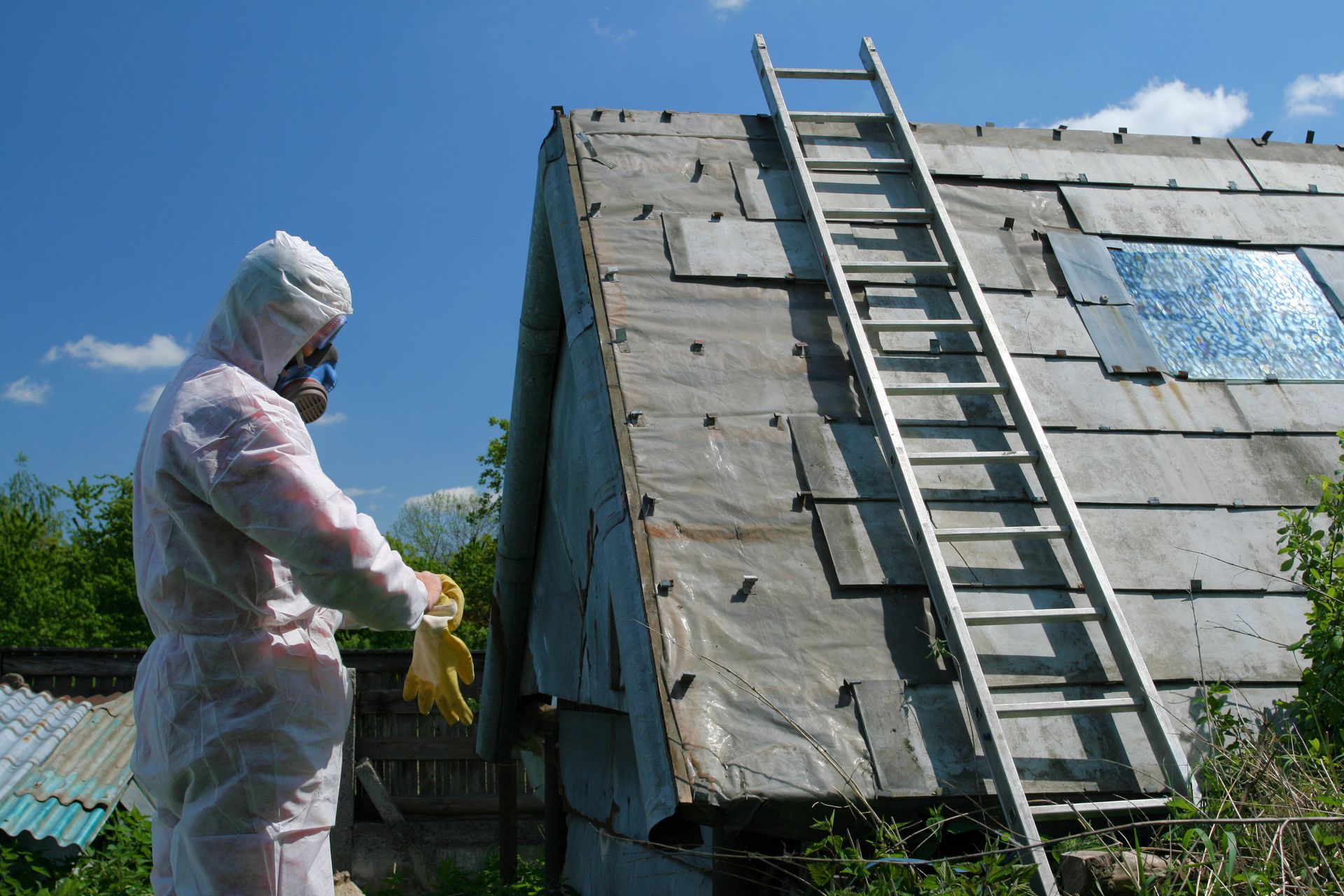
Roofing shingles, exterior siding panels, and attic insulation represent additional high-risk areas within older residential structures. Loose mineral insulation scattered across attic floors poses a severe threat because air currents within ventilation systems can carry airborne fibers directly into living spaces below. Exterior siding panels become hazardous whenever cutting, drilling, or pressure washing occurs during exterior upgrades. Identifying these specific locations allows property owners to avoid accidental disturbance and enables certified technicians to execute targeted asbestos removal plans that prevent contamination from spreading throughout the residence.
Evaluating the Severe Medical Risks of Airborne Exposure
Inhaling microscopic mineral particles creates severe health hazards that typically manifest many years after initial contact occurs. When fibers are drawn deep into the lower lobes of the lungs, they trigger chronic inflammatory responses that eventually cause severe scarring known as asbestosis. This progressive pulmonary disease severely restricts lung capacity, leading to chronic shortness of breath, persistent coughing, and eventual heart problems due to elevated pulmonary pressure. Because the human immune system cannot dissolve these mineral threads, tissue damage continues to accumulate silently over extended timeframes.
Beyond chronic non-malignant lung conditions, exposure to these toxic fibers is directly linked to aggressive forms of cancer, including malignant mesothelioma and lung carcinoma. Mesothelioma specifically affects the thin membrane lining the chest cavity and abdomen, presenting a low survival rate due to late diagnosis. Children and younger household members are especially vulnerable to these long-term risks because their developing lungs absorb environmental contaminants more readily. Executing a comprehensive asbestos removal operation remains the most effective strategy for eliminating these life-threatening health risks from your living space.
Recognizing the Extreme Dangers of Self-Handled Abatement
Many enthusiastic homeowners attempt do-it-yourself renovation projects to save financial resources, but attempting hazardous material remediation without professional training is extraordinarily dangerous. Standard personal protective equipment, such as basic dust masks and ordinary work gloves, offers no defense against microscopic fibers that effortlessly pass through coarse filter materials. Furthermore, standard household vacuum cleaners lack specialized high-efficiency particulate air filtration, meaning that vacuuming up hazardous dust disperses concentrated clouds of toxic particles directly into the indoor air supply.
Improper handling techniques frequently turn contained, dormant hazards into active environmental disasters throughout the entire home. Breaking, scraping, sanding, or sawing friable materials releases millions of invisible mineral threads that settle on carpeting, upholstered furniture, and clothing. Once deposited on household textiles, these particles are repeatedly redistributed into the breathing zone whenever occupants walk across rooms or sit on furniture. Entrusting these hazardous tasks to certified experts who specialize in professional asbestos removal prevents catastrophic cross-contamination and ensures that all hazardous waste is contained safely.
Executing Professional Containment and Abatement Protocols
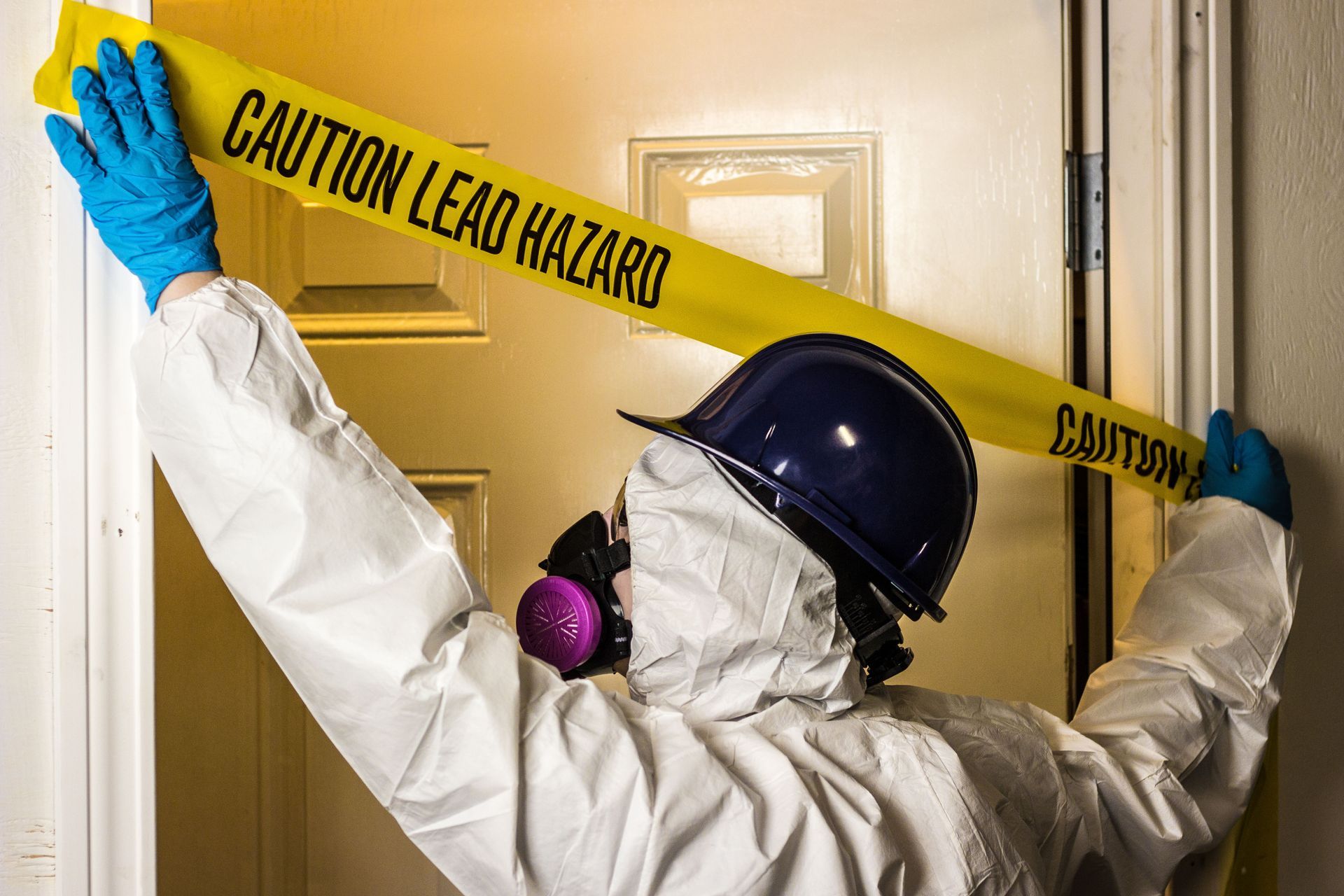
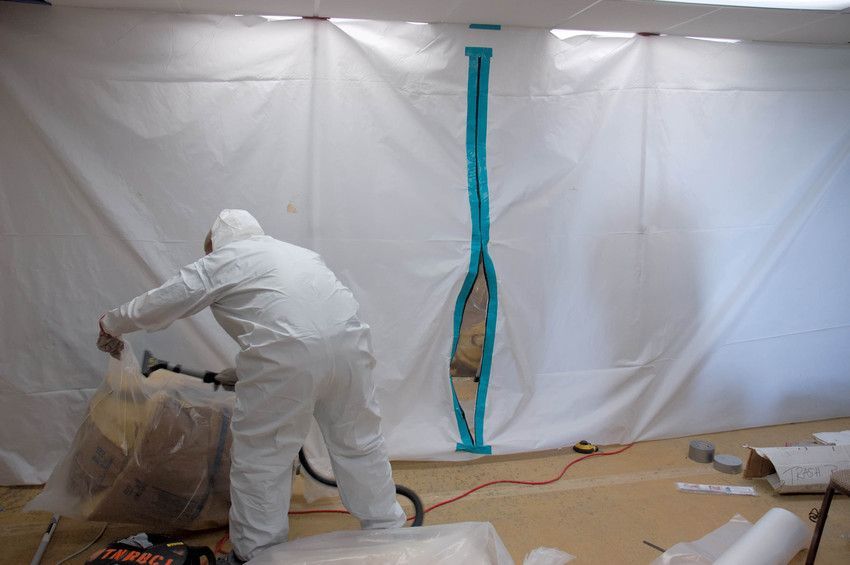
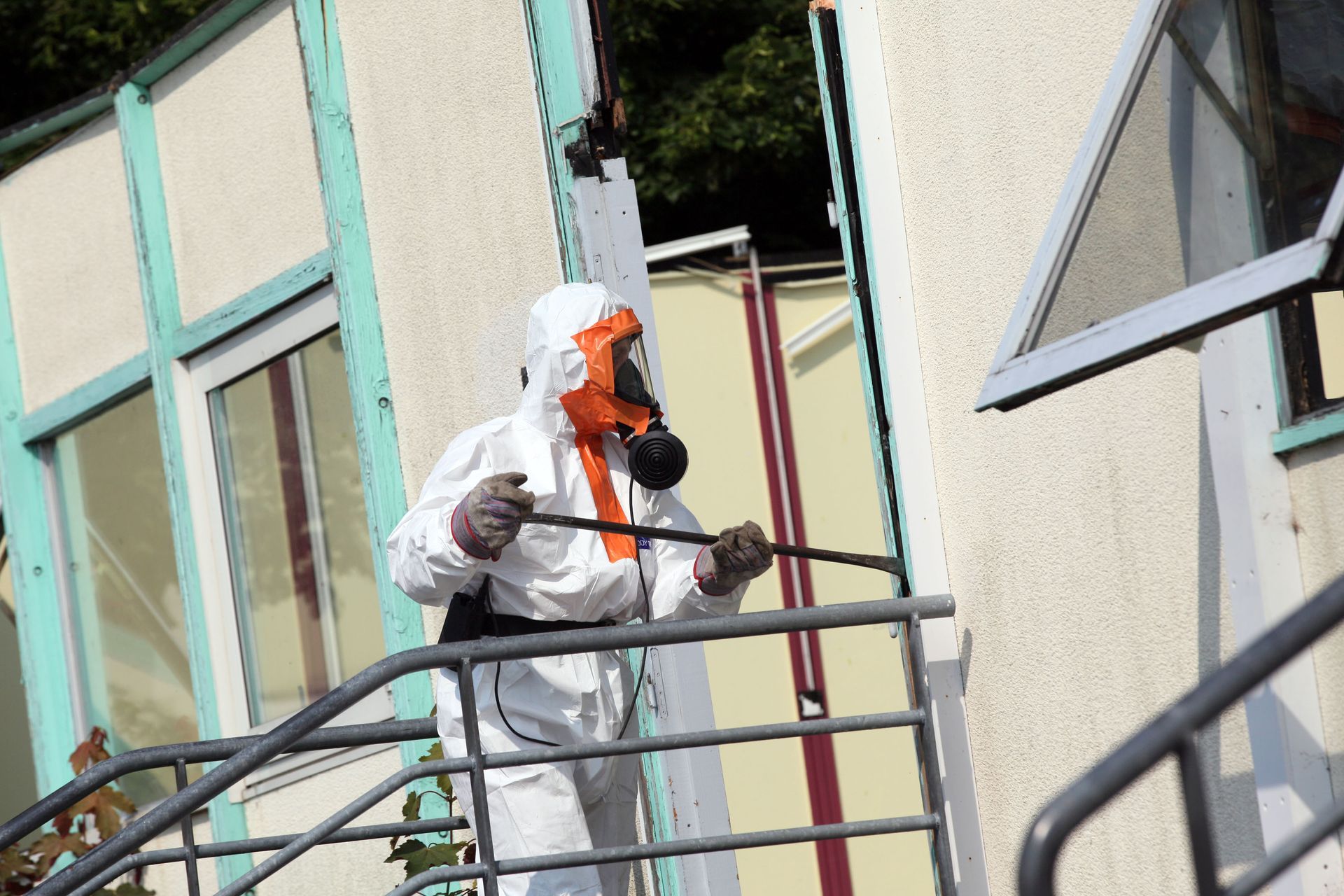
Certified abatement specialists follow meticulous protocols designed to isolate work zones and prevent hazardous fibers from escaping into surrounding living spaces. Before initiating any remediation work, technicians construct negative pressure containment zones using heavy-duty plastic sheeting and sealed air locks. Industrial air scrubbing machines equipped with specialized high-efficiency particulate filters run continuously to draw air inward, preventing contaminated particles from escaping into adjacent hallways or rooms. Technicians also wear full-body protective suits and specialized respirators to maintain personal safety throughout the procedure.
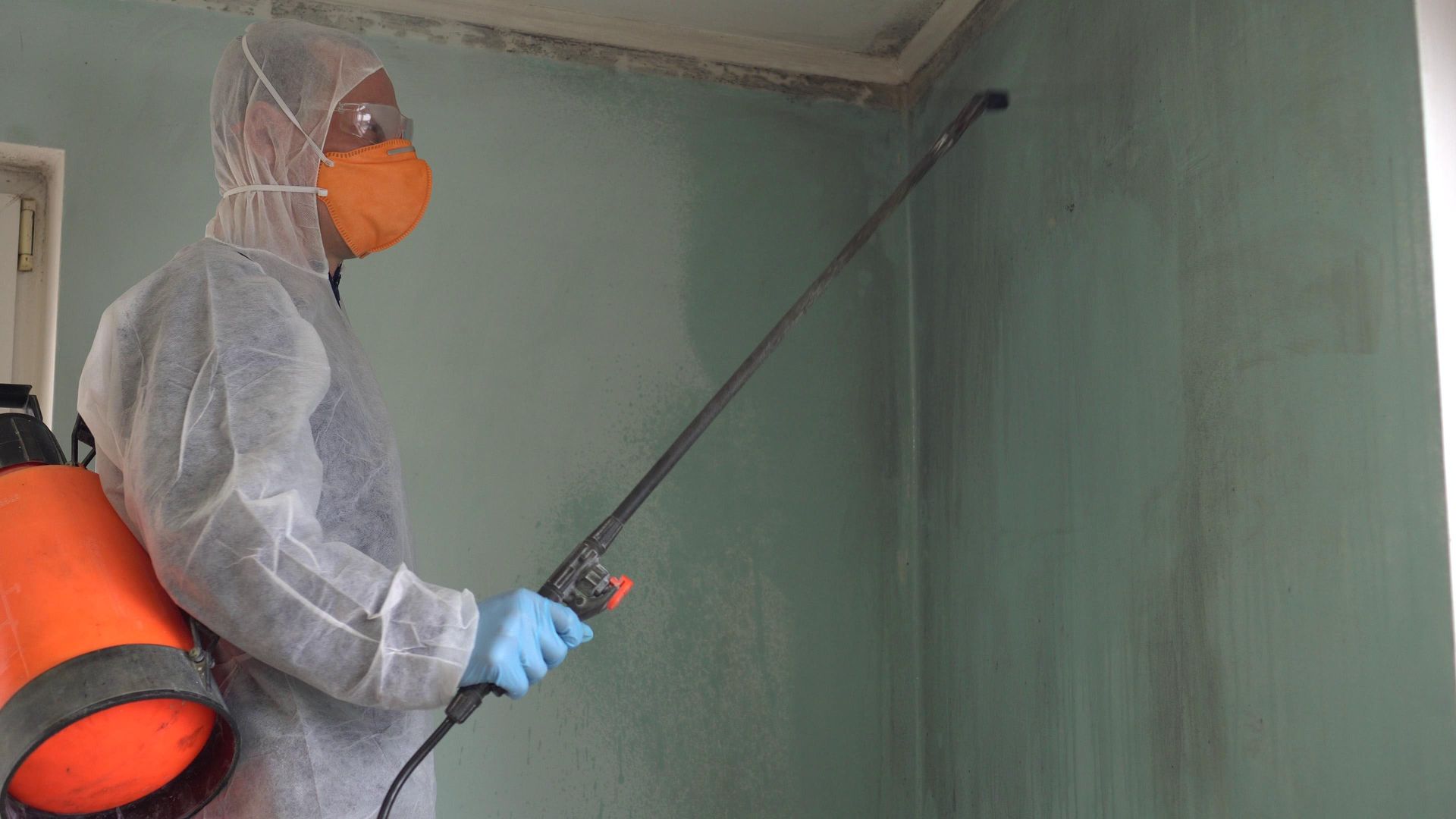
During the physical remediation phase, workers utilize specialized chemical wetting agents to saturate hazardous materials, effectively suppressing dust generation before carefully dismantling structural components. Every piece of contaminated waste is placed immediately inside heavy-duty, leak-tight bags that are labeled in strict compliance with environmental protection guidelines. After the complete removal of toxic materials, all exposed surfaces within the containment zone undergo thorough wet wiping and vacuuming. Air quality testing must confirm the complete absence of airborne fibers before containment barriers are removed and the property is cleared for occupancy.
Securing Long-Term Safety and Property Value Integrity
Addressing hidden structural hazards goes far beyond immediate health protection; it also secures the long-term financial value and marketability of your real estate investment. Real estate disclosure regulations mandate that property owners must inform prospective buyers about known hazardous building materials present within the residence. Unaddressed environmental hazards can delay property sales, lower property appraisal values, or require costly price concessions during real estate transactions. Completing verified asbestos removal creates a clear record of safety that instills confidence in potential buyers and financial lenders.
Beyond financial considerations, eliminating toxic building elements provides unmatched peace of mind for everyone residing within the household. Knowing that your indoor environment is free from invisible carcinogenic particles allows you to plan future home improvements, structural additions, or routine interior repairs without fear of triggering toxic dust clouds. Investing in thorough environmental remediation transforms an old property into a haven where future generations can thrive without health concerns.
Taking proactive measures to address environmental hazards inside your residence is a critical decision you can make for the health and safety of your family. Leaving hazardous structural materials undisturbed may seem convenient, but unexpected deterioration, water damage, or sudden home repairs can quickly release toxic particles into the air you breathe every day. Professional remediation removes these invisible threats permanently, allowing you to enjoy your living space with total confidence and security. Do not wait for aging building materials to compromise your indoor air quality and endanger your loved ones. Protect your property, restore your health, and secure your peace of mind today by contacting Rockies Environmental & Demolition Services Inc.

Share On: